
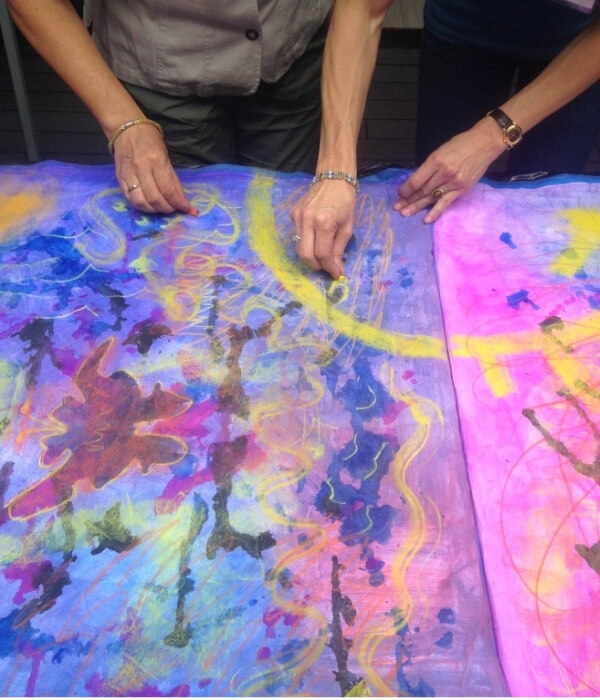
When someone you care about receives a terminal diagnosis, conversations can quickly become centered on appointments, symptoms, and care decisions.
Alongside those needs, everyday preferences still matter. What would they like to do? Who would they like to spend time with? What feels comforting, interesting, or worth exploring today?
There is no single right way to spend this time. An invitation to look at art, listen to music, share a story, or create something can offer another way to be together.
A terminal illness is a condition that cannot be cured and is expected to lead to a person’s death. The term alone does not tell you exactly how much time someone has. A healthcare professional can explain what the diagnosis means for that individual and discuss care options.
Palliative care supports comfort and quality of life during serious illness and can accompany treatment. Hospice care focuses on comfort and support as someone approaches the end of life. The National Institute on Aging explains these approaches and how families can find support.
Understanding care options is important. So is continuing to recognize the person’s interests, relationships, and wishes in everyday life.
A diagnosis does not tell you whether someone wants quiet company, lively conversation, a creative activity, or time alone.
Ask, offer, and allow room for the answer to change.
You might say:
“Would you like to look at these pictures together?”
“Is there something you feel like listening to?”
“Would you like to try this, or save it for another time?”
A person may want to talk about their life. They may prefer to explore something new or spend time together without discussing illness.
Let their preferences shape the experience.
Sometimes it helps to have something to share your attention.
A painting can invite an observation. Music can become something to listen to together. A few colors and a sheet of paper can offer a way to express an idea without needing to explain it.
The experience can be brief and simple. Look at one image. Choose a color. Make a few marks. Notice what holds the person’s interest and follow it.
Resilia Life’s See, Say, More method provides a starting point for exploring art through looking and conversation. You can follow the person’s observations without expecting particular answers.
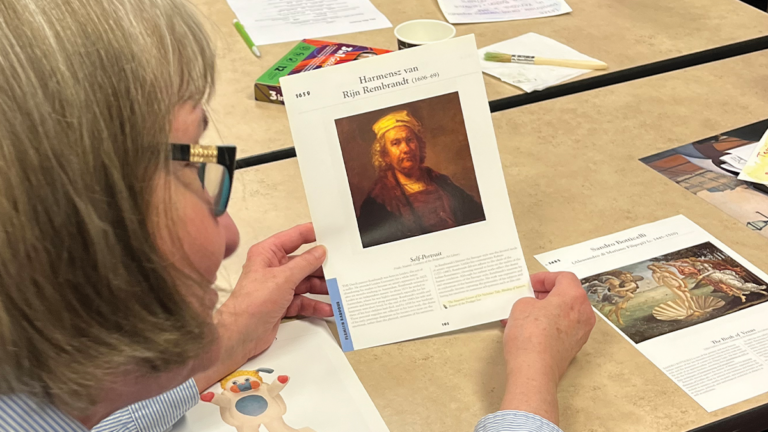
Energy, comfort, and interest may change. An experience that felt inviting yesterday may feel tiring today.
Keep materials within comfortable reach, reduce unnecessary setup, and offer assistance where it is wanted. Ask the care team about any positioning, sensory, or material considerations relevant to the person.
Someone may want to choose materials while another person handles them. They may enjoy watching, listening, or directing what happens.
Leave space to pause or stop. Rest and quiet company are valid choices.
Sharing a story can be meaningful, but no one needs to produce a life history or leave a message for others.
If someone wants to explore their experiences, begin with an invitation:
“What would you like me to know about this?”
You might write down words with permission, look through images, or explore a page together. Respect what the person chooses to share—and what they prefer to keep private.
Legacy Chronicles offers guided opportunities to explore experiences, relationships, interests, and identity. Use it at the participant’s pace, with room to choose a starting point and decide how much to do.
A single response or shared conversation can be enough. Completing a workbook or album does not need to become the goal.
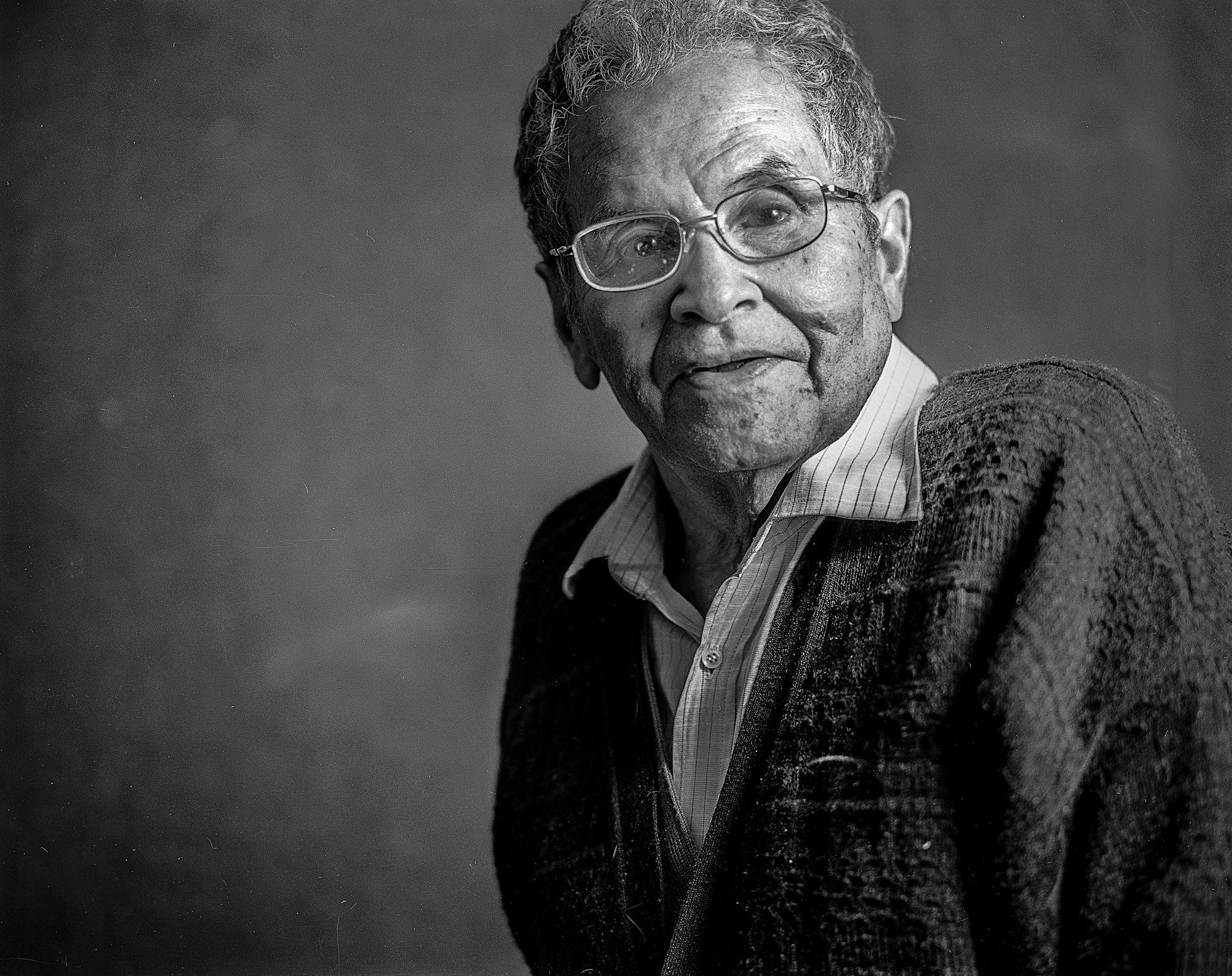
Creative expression does not have to become a keepsake.
Someone might want to experiment with color, arrange images, or make something simply because the experience interests them.
Ask before photographing, displaying, or sharing their work. Let the creator decide what happens to it whenever possible.
Resilia Life’s Life Still provides guided art-making activities, materials, and a portfolio for collecting original artwork. Activities can offer a starting point while leaving room for personal choices and independent exploration.
Whether the work is kept, shared, revisited, or left unfinished, the person’s wishes matter.
Resilience during serious illness can include expressing a preference, finding another way to participate, accepting help, or asking for rest.
It does not require constant optimism or visible achievement.
At Resilia Life, we put art to work by creating opportunities for expression, connection, choice, and contribution. The Art Effect describes the dimensions that guide these experiences.
The invitation remains open. The person decides how—or whether—to take part.
For families and care partners, a creative resource can provide an idea when you are unsure what to offer.
Begin with the person’s interests and what feels manageable today. Make room for conversation, creativity, quiet, and a change of plans.
We use cookies to give you the best online experience. By using this website you agree with our cookie policy.